Business Name: FootPrints Home Care
Address: 4811 Hardware Dr NE d1, Albuquerque, NM 87109
Phone: (505) 828-3918
FootPrints Home Care
FootPrints Home Care offers in-home senior care including assistance with activities of daily living, meal preparation and light housekeeping, companion care and more. We offer a no-charge in-home assessment to design care for the client to age in place. FootPrints offers senior home care in the greater Albuquerque region as well as the Santa Fe/Los Alamos area.
4811 Hardware Dr NE d1, Albuquerque, NM 87109
Business Hours
Monday thru Sunday: 24 Hours
Facebook: https://www.facebook.com/FootPrintsHomeCare/
Instagram: https://www.instagram.com/footprintshomecare/
LinkedIn: https://www.linkedin.com/company/footprints-home-care
Choosing in between in-home care and assisted living rarely rests on a single factor. Families weigh fall dangers versus familiar regimens, compare monthly costs with peace of mind, and try to anticipate how requirements will alter across the next 6 to 24 months. I've sat at kitchen area tables with adult children and their moms and dads, sketched situations on note pads, and walked hallways in both private homes and senior communities. The truth is, both methods can be excellent or terrible depending on execution, fit, and timing. The right choice begins with a truthful look at security, comfort, and the degree of self-reliance a person wants to protect.
What security truly appears like in your home and in assisted living
"Safety" is a broad word. For an 84-year-old with strong cognition and mild mobility problems, security might suggest grab bars, good lighting, and assist with the shower. For someone living with moderate dementia, it might imply guaranteed exits, cueing, foreseeable routines, and fast detection of wandering or nighttime activity.
In-home care can be extremely safe when the home is adjusted and the care strategy matches actual threat. A typical elderly home care setup consists of elimination of journey risks, restroom adjustments, clear pathways, and a senior caretaker scheduled for the riskiest windows, typically early mornings and nights. Lots of falls take place in the restroom or in the evening, so if overnight monitoring is not in location, a home can still be hazardous even with daytime support. Families in some cases ignore the worth of motion sensing units, bed alarms, and smart lighting. Modest technology, used well, avoids problems you never ever see.
Assisted living communities standardize lots of safety layers. Hallways are large, thresholds level, restrooms constructed for grab bars and roll-in showers. Pull cables or wearable pendants summon help. Staff exist 24 hours, which matters when a resident stands at 2 a.m. and feels woozy. Nevertheless, assisted living is not one-to-one care. If a resident falls in a room and can not reach a cable or pendant, discovery still requires time. The very best communities train personnel to notice subtle changes: more unsteadiness, slower transfers, new confusion. That watchfulness appears in the event reports you never ever see, and in early interventions that stop cascading problems.
Both settings carry different kinds of risk. In-home care may suggest slower action when the caregiver is off task, while assisted living might suggest exposure to more pathogens throughout breathing infection season. In smaller board-and-care homes, which sit in between traditional assisted living and in-home care in feel and staffing, you often see much faster action times due to the fact that of the little resident-to-caregiver ratio, yet the setting is still communal. Matching risk profile to environment is more important than chasing after an ideal safety guarantee. There isn't one.
Comfort is more than a favorite chair
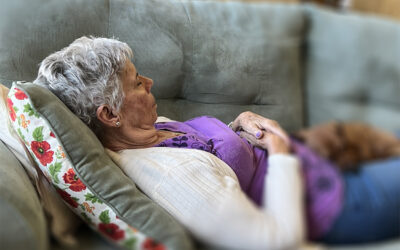
Comfort mixes the physical and emotional. It's the feel of a familiar teacup, the view from a lifelong window, the smell of your own laundry soap. For many older grownups, staying at home protects rhythms that help with appetite, sleep, and mood. At home senior care, provided by a consistent senior caregiver, permits routines to stay intact. A home care service can customize meals to exact choices and keep the canine in the image, which matters more than people confess. Even small routines, like reading the paper at the same table, anchor the day.
Assisted living develops comfort through predictability. Meals come at set times, linens are altered, medications are provided, and activities appear on a calendar. For somebody who wants less decisions and less housekeeping, this is a relief. Neighborhood features like sun parlors, walking paths, or onsite salons can raise the spirit. Still, convenience can be strained during the first weeks after a move. Even citizens who asked to move feel disoriented in the beginning. I've seen this transitional bump last two to six weeks, periodically longer for somebody with memory loss. Familiar items assistance: the exact same blanket, family pictures, and a preferred recliner chair transported to the new space. The neighborhoods that manage convenience well encourage individual decoration, keep stable staffing, and introduce citizens to neighbors with shared interests instead of relying on one-size-fits-all activities.
Independence, with sincere guardrails
Independence is not the lack of help. It is control over options that matter. In-home care typically offers the largest latitude. Wake time, meal timing, shower schedule, television volume, and the option to skip a craft task you never ever liked remain yours. An expert senior caretaker finds out a customer's speed and steps in only where required. This can protect confidence and self-respect, particularly when a person feels their world shrinking.
Assisted living limits some options to develop fairness and operational flow, yet it supports independence in other methods. Homeowners who felt isolated in the house may gain back self-confidence when meals are social and exercise classes are steps away. Medication management, often a filled subject in your home, ends up being uncomplicated. The trick is to ensure that the structure does not steamroll the individual. Excellent neighborhoods permit early birds to get breakfast initially, respect a late sleeper, and find a method to accommodate the resident who chooses outdoor walks to chair yoga.
One nuance that households overlook: independence modifications with fatigue. Late afternoon is frequently harder for older adults. A home environment may permit a quiet nap that resets the day. In assisted living, naps are possible, but light and hallway noise can intrude. A room far from elevators and communal areas assists. When touring, stand in the room midday and late afternoon. Listen. You'll learn more about self-reliance from a five-minute sound check than from a brochure.
What care truly costs, and what you get for the money
Numbers drive decisions, and they should. The typical national regular monthly cost for assisted living frequently lands in the 4,000 to 6,500 dollar range, with broad variation by region and by level of care. Memory care wings cost more due to staffing intensity. In-home care is normally billed per hour, often 28 to 40 dollars per hour in lots of metro locations, in some cases lower in rural areas and greater in coastal cities. A part-time home care plan of 20 hours a week might run 2,200 to 3,200 dollars month-to-month. Round-the-clock care in the house, however, can surpass 18,000 dollars a month unless you use a live-in model with structured breaks.
The dollar-to-value formula depends upon how many hours of help someone truly needs. I dealt with a couple in their late 80s who needed light help: breakfast preparation, shower safety, and medication pointers. We arranged in-home take care of mornings and three evenings a week. Overall month-to-month expense remained under the regional assisted living rate and preserved their routines. Two years later on, when his movement dropped and she developed mild cognitive impairment, the hours increased and the math shifted. At that point the assisted living option, with 24-hour personnel and medication management included, beat the high-hour home strategy by a few thousand dollars month-to-month and decreased the adult daughter's coordination burden.
There are also non-obvious costs: transport to consultations, home upkeep, and emergency response equipment in the house; community fees, level-of-care add-ons, and possible second-person charges in assisted living. Long-term care insurance coverage can balance out either design, though policies differ commonly. Medicare does not spend for ongoing custodial care, whether in your home or in a community, however it can cover limited skilled services after a certifying event. Veterans and surviving partners might be eligible for Aid and Presence, which can contribute a significant monthly amount. Scrutinize the fine print instead of counting on a heading number.
The human element: caregivers and culture
You can have the best layout and the best cost and still fail if the people and culture do not fit. In-home care depend upon the senior caregiver's ability, dependability, and character. A terrific match appears like this: a caregiver who prepares for without taking control of, appreciates privacy, and communicates early about changes. Agencies that purchase training for dementia, mobility, nutrition, and fall avoidance consistently deliver much better results. Continuity matters. A revolving door of caretakers increases stress and anxiety and wears down trust, especially for someone with cognitive changes.
Assisted living lives or passes away by leadership and staffing stability. Fulfill the home care for parents executive director and the director of nursing or wellness. Ask how long their med techs and care aides stay. Low turnover signals healthy culture. Throughout a tour, see staff-resident interactions. Do they kneel to eye level when speaking with somebody in a wheelchair? Do they greet locals by name? Is the activities calendar posted, and do you see genuine engagement, not simply a box checked? Culture is not what the brochure states. It is what repeats in the hallways.
I as soon as dealt with a retired teacher who relocated to assisted living after a hospitalization. She prepared to stay 3 months, regain strength, and go home. The neighborhood's morning poetry group hooked her. She stayed permanently since she felt seen. On the other hand, I helped another client return home after a month in a large community where the sound and continuous activity overwhelmed him. We set up peaceful regimens, twice-daily walks, and part-time senior home care concentrated on conversation and light cooking. Both outcomes were right, since the human element, not just the care label, directed the choice.
Health complexities that tip the balance
Certain conditions tend to fit one model much better, a minimum of for a season. Parkinson's illness with varying motor symptoms often take advantage of in-home care early on, considering that timing medication specifically and adjusting exercises to the home encourage adherence. Later, as transfers become harder and nighttime needs increase, a smaller assisted living or board-and-care with strong mobility assistance can decrease stress and lower fall risk.
Moderate to innovative dementia changes the photo. Familiar surroundings assist for as long as the home can be ensured, but wandering, nighttime wakefulness, and sundowning can tire family and outstrip the capacity of part-time aid. Memory care systems offer secure environments, structured days, and personnel trained in redirection. Some families are successful with 24-hour in-home care in a protected, single-level home, specifically when the person with dementia is calm and responds well to one-on-one attention. If hallucinations, hostility, or exit-seeking habits are strong, the regulated environment of memory care may prevent crises.
Frequent medical tracking or complex medication routines likewise affect the choice. In-home competent nursing gos to can handle wound care, injections, and mentor, layered with non-medical home care for daily tasks. Assisted living can handle numerous medications however usually not intense clinical tracking unless partnered with home health or a nurse practitioner program. When conditions are unpredictable, prepare for flexibility. Switching from one design to the other is not failure, it is adaptation.
The home itself: an asset or a limitation
Some homes battle against safe aging. Narrow corridors, several levels, little bathrooms, and high stairs add risks that can not be solved with excellent objectives. A roll-in shower requires width and limit changes that lots of older bathrooms can not accommodate without significant restoration. If your loved one uses a walker today, plan for a wheelchair course tomorrow, even if it is just for transportation throughout illness. That suggests considering door widths, floor transitions, and storage for equipment.
On the other hand, a properly designed or easily customized home can take on the security of numerous assisted living apartments. Single-story designs, lever deals with, non-glare lighting, and contrasting colors on actions and counters lower cognitive load and tripping. Smart home technology has grown. Door sensing units, range shut-off gadgets, voice assistants for suggestions, and discreet electronic cameras at the front door can support self-reliance when used transparently and fairly. In-home care teams can include these tools into a senior care strategy so they improve instead of annoy.

If moving is on the table, think about whether the supreme goal is to stay at home long term or to move to a community as soon as requires boost. This avoids investing greatly in home modifications you will not recoup, or moving twice in a brief span, which is especially hard on somebody with memory loss.
Family characteristics and caregiver bandwidth
Decisions do not occur in a vacuum. Adult children often want to do more than they can sustain, and older adults in some cases underreport battles to prevent straining household. A sincere accounting of caretaker bandwidth prevents burnout and last-minute crises. If household lives nearby, can somebody cover nights if needed for a week? Who deals with medical consultations and fill up logistics? Exists a backup if a main assistant gets sick?
In-home care distributes tasks however still requires coordination: scheduling, interaction with the company or personal caregiver, and modification when needs change. A strong home care service relieves this by supplying care management, however households stay part of the operational system. Assisted living lowers the coordination load around day-to-day tasks however requires advocacy: acting on care plan changes, keeping an eye on billing, and guaranteeing assured services are provided consistently. Neither choice is "set it and forget it." The better match is the one that fits the household's reality and desire to engage.
Social life, isolation, and the distinction in between company and connection
People can feel lonesome in a crowd and deeply linked in a peaceful home. The question is not "Exists social life?" but "Exists meaningful social life for this individual?" An extrovert who loves group games might flourish in assisted living within days. A lifelong introvert who enjoys individually discussion and a short walk may do better at home with a caretaker who shares an interest in baseball or gardening. Some communities are exceptional at creating circles of friendship, pairing new citizens with peers who share background or hobbies. Others inspect the box with activities that feel juvenile. When touring, look past the bingo boards. Ask to attend a smaller group: a book chat, knitting circle, or men's coffee.
At home, solitude is a risk if sees are irregular. A home care plan that includes companionship, escorted trips, and innovation to video chat with family can close that gap. I've watched clients lighten up when a caregiver stimulates an old interest: baking a household dish, organizing image albums, or growing tomatoes on a patio area. These small, genuine jobs typically beat activity calendars in regards to psychological nourishment.
A practical way to decide
Here is a succinct framework families can utilize to evaluate the fit:
- Safety profile today and most likely six months from now: falls, cognition, nighttime needs. Budget compared across realistic hours in your home versus level-of-care tiers in assisted living. Home feasibility: layout, restroom security, and ability to adapt. Social style: preference for group activities, individually friendship, or a mix. Family bandwidth: coordination, backup strategies, and tolerance for on-call responsibilities.
Use this as a working checklist, not a decision. Revisit it after a trial period. Needs change.
Case photos that highlight trade-offs
A widower with congestive heart failure and diabetes, still driving in your area, struggled most with meal planning and medication timing. We set up in-home take care of mid-day meals and night med pointers, included a weekly nurse visit for weight and edema checks, and set up a scale that transferred information to the center. Cost stayed under local assisted living rates, hospitalizations dropped, and he kept attending his church. The choosing factor was scientific monitoring layered onto his independence.
A couple in their early 90s lived in a lovely, two-story home. After her hip fracture, stairs ended up being a hard stop. They resisted moving till a second fall led to a medical facility stay. Post-rehab, they toured three assisted living neighborhoods. The one they picked had houses near the dining-room, a peaceful wing, and an onsite physical treatment partner. Within a month they both gained weight, he signed up with a men's breakfast group, and she used the therapy fitness center twice weekly. They missed out on the garden, however not the stairs.
A retired librarian with early Alzheimer's succeeded with senior home care for a year. The home was single level, and a caregiver accompanied her on morning walks, cooked lunch, and played classical music while arranging mail. Changes came when she began wandering in the evening. A motion sensing unit signaled her son, who lived close by, numerous times a week. Exhausted, they tried overnight care, which assisted but was pricey. She ultimately relocated to memory care in a little neighborhood with a safe yard. The personnel mirrored her rhythms: early morning strolls, quiet afternoons, and no crowded activities. Her anxiety decreased. The shift was bumpy however worth it.
Working with suppliers without getting snowed by sales pitches
Whether you're speaking with an agency for in-home care or touring assisted living, prepare to exceed glossy guarantees. Ask the home care service how they manage last-minute callouts and what their typical caretaker period is. Request a care strategy outline before the very first shift. Fulfill the supervisor who will make modifications when needs develop. For assisted living, examine the service strategy classifications and what triggers level-of-care boosts. Request for examples of how they managed a resident whose requirements rose quickly. In both cases, demand clear communication channels and a point person who understands your situation.
Pay attention to what is not stated. If a community prevents specifics on staffing ratios during nights, or a firm hedges on whether the very same caretaker can be regularly scheduled, note it. Search for companies who invite your questions and reveal their work.
Red flags and green lights
- Red flags: frequent unusual falls in the house without plan modifications, caretaker no-shows, rapid turnover, unclear medication administration, or a neighborhood that smells highly of disinfectant and silence in the middle of the day. Any pattern of defensiveness when you raise concerns. Green lights: proactive updates from caretakers, personnel who can explain a resident's choices without checking a chart, leadership noticeable on the floor, and care plans that alter rapidly when the circumstance does. Transparent billing and determination to trial changes for two to four weeks before tough changes.
The hybrid approach that often works best
You do not need to select one model forever. Many households utilize in-home care to bridge a healing period or to evaluate what level of help truly helps. If the home environment supports it and the individual thrives, terrific. If not, relocation previously rather than after a crisis. Similarly, some assisted living homeowners hire additional private task care for time-limited requirements: recovery from a UTI, extra cueing after a medication change, or companionship throughout a spouse's absence. These hybrids often support situations and prevent rehospitalizations.
Think in seasons. What serves autonomy and health for the next season, given the most likely modifications? Keeping options open decreases worry and helps choices seem like actions, not leaps.
How to begin the conversation with dignity intact
No one likes sensation handled. Welcome the older grownup into the procedure with respect. Instead of, "You can't be safe alone," attempt, "Let's decrease the inconvenience around early mornings and make showers simpler." Instead of "You need to move," consider, "Let's take a look at a location that handles the chores so you can focus on the parts of the day you enjoy." Words matter, therefore does pacing. Tour together. Bring a preferred snack for the roadway. Share your issues plainly and your regard a lot more clearly. The majority of us state yes to assist when we still recognize ourselves in the plan.
Bottom line: match the design to the individual, not the other way around
Both in-home care and assisted living can deliver safety, comfort, and independence when chosen for the right factors and handled well. In-home care excels at maintaining regimens, personal comfort, and individually attention. It works finest when the home can be adjusted and when the assistance hours match genuine requirements, not wishful thinking. Assisted living shines when 24/7 schedule, medication management, and social structure lower risk and lift mood, especially as needs become less predictable.
If you feel torn, run a time-limited trial: 4 to six weeks of increased home support with clear objectives, or a respite remain in a neighborhood to evaluate the fit. Measure what changes: variety of near-falls, sleep quality, hunger, state of mind, and household tension. The much better course reveals itself when you track results instead of promises.
Above all, keep in mind that senior care is not a single choice. It is a series of changes in service of an individual's life. Whether you pick senior home care in the house that holds decades of memory, or assisted living with a dining room filled with new names and friendly faces, you are not choosing between excellent and bad. You are selecting the shape of help, with safety, comfort, and self-reliance as your compass.

FootPrints Home Care is a Home Care Agency
FootPrints Home Care provides In-Home Care Services
FootPrints Home Care serves Seniors and Adults Requiring Assistance
FootPrints Home Care offers Companionship Care
FootPrints Home Care offers Personal Care Support
FootPrints Home Care provides In-Home Alzheimer’s and Dementia Care
FootPrints Home Care focuses on Maintaining Client Independence at Home
FootPrints Home Care employs Professional Caregivers
FootPrints Home Care operates in Albuquerque, NM
FootPrints Home Care prioritizes Customized Care Plans for Each Client
FootPrints Home Care provides 24-Hour In-Home Support
FootPrints Home Care assists with Activities of Daily Living (ADLs)
FootPrints Home Care supports Medication Reminders and Monitoring
FootPrints Home Care delivers Respite Care for Family Caregivers
FootPrints Home Care ensures Safety and Comfort Within the Home
FootPrints Home Care coordinates with Family Members and Healthcare Providers
FootPrints Home Care offers Housekeeping and Homemaker Services
FootPrints Home Care specializes in Non-Medical Care for Aging Adults
FootPrints Home Care maintains Flexible Scheduling and Care Plan Options
FootPrints Home Care is guided by Faith-Based Principles of Compassion and Service
FootPrints Home Care has a phone number of (505) 828-3918
FootPrints Home Care has an address of 4811 Hardware Dr NE d1, Albuquerque, NM 87109
FootPrints Home Care has a website https://footprintshomecare.com/
FootPrints Home Care has Google Maps listing https://maps.app.goo.gl/QobiEduAt9WFiA4e6
FootPrints Home Care has Facebook page https://www.facebook.com/FootPrintsHomeCare/
FootPrints Home Care has Instagram https://www.instagram.com/footprintshomecare/
FootPrints Home Care has LinkedIn https://www.linkedin.com/company/footprints-home-care
FootPrints Home Care won Top Work Places 2023-2024
FootPrints Home Care earned Best of Home Care 2025
FootPrints Home Care won Best Places to Work 2019
People Also Ask about FootPrints Home Care
What services does FootPrints Home Care provide?
FootPrints Home Care offers non-medical, in-home support for seniors and adults who wish to remain independent at home. Services include companionship, personal care, mobility assistance, housekeeping, meal preparation, respite care, dementia care, and help with activities of daily living (ADLs). Care plans are personalized to match each client’s needs, preferences, and daily routines.
How does FootPrints Home Care create personalized care plans?
Each care plan begins with a free in-home assessment, where FootPrints Home Care evaluates the client’s physical needs, home environment, routines, and family goals. From there, a customized plan is created covering daily tasks, safety considerations, caregiver scheduling, and long-term wellness needs. Plans are reviewed regularly and adjusted as care needs change.
Are your caregivers trained and background-checked?
Yes. All FootPrints Home Care caregivers undergo extensive background checks, reference verification, and professional screening before being hired. Caregivers are trained in senior support, dementia care techniques, communication, safety practices, and hands-on care. Ongoing training ensures that clients receive safe, compassionate, and professional support.
Can FootPrints Home Care provide care for clients with Alzheimer’s or dementia?
Absolutely. FootPrints Home Care offers specialized Alzheimer’s and dementia care designed to support cognitive changes, reduce anxiety, maintain routines, and create a safe home environment. Caregivers are trained in memory-care best practices, redirection techniques, communication strategies, and behavior support.
What areas does FootPrints Home Care serve?
FootPrints Home Care proudly serves Albuquerque New Mexico and surrounding communities, offering dependable, local in-home care to seniors and adults in need of extra daily support. If you’re unsure whether your home is within the service area, FootPrints Home Care can confirm coverage and help arrange the right care solution.
Where is FootPrints Home Care located?
FootPrints Home Care is conveniently located at 4811 Hardware Dr NE d1, Albuquerque, NM 87109. You can easily find directions on Google Maps or call at (505) 828-3918 24-hoursa day, Monday through Sunday
How can I contact FootPrints Home Care?
You can contact FootPrints Home Care by phone at: (505) 828-3918, visit their website at https://footprintshomecare.com, or connect on social media via Facebook, Instagram & LinkedIn
A ride on the Sandia Peak Tramway or a scenic drive into the Sandia Mountains can be a refreshing, accessible outdoor adventure for seniors receiving care at home.