Business Name: FootPrints Home Care
Address: 4811 Hardware Dr NE d1, Albuquerque, NM 87109
Phone: (505) 828-3918
FootPrints Home Care
FootPrints Home Care offers in-home senior care including assistance with activities of daily living, meal preparation and light housekeeping, companion care and more. We offer a no-charge in-home assessment to design care for the client to age in place. FootPrints offers senior home care in the greater Albuquerque region as well as the Santa Fe/Los Alamos area.
4811 Hardware Dr NE d1, Albuquerque, NM 87109
Business Hours
Monday thru Sunday: 24 Hours
Facebook: https://www.facebook.com/FootPrintsHomeCare/
Instagram: https://www.instagram.com/footprintshomecare/
LinkedIn: https://www.linkedin.com/company/footprints-home-care
Families rarely plan for the day a parent needs help with bathing or the medications end up being a labyrinth. It often arrives as a fall, a medical facility discharge, or a call from a footprintshomecare.com albuquerque home care next-door neighbor who discovered the stove left on. The rush to choose in between in-home care and assisted living can seem like selecting between safety and self-reliance. It does not need to be that way. With a clear picture of requirements, costs, and the individual's choices, you can form a strategy that fits rather than forcing a choice that swellings everyone's peace of mind.
What changes first when care is needed
Care needs typically approach quietly. The indications are useful, not dramatic. Bills accumulate due to the fact that the mail went unopened. The cars and truck gets a brand-new scrape monthly. The kitchen has plenty of crackers and little else. Balance on the stairs is unsteady, and the shower chair is still in package. If you visit regularly, you begin observing little workarounds: using the same cardigan since buttons are an inconvenience, or taking less strolls because the curb feels taller than it utilized to.
Clinically, the tipping points include memory lapses that interfere with regimens, chronic conditions that need monitoring, and movement changes that increase fall risk. In my experience, 2 clusters matter most for choosing in between home care and assisted living. The very first is the complexity of everyday care: bathing, toileting, dressing, medication management, meal preparation, and getting to consultations. The second is the social and safety environment: Is the person separated? Are there increasing dangers in the home like stairs, rugs, and a too-high tub? The ideal care strategy meets both clusters, not just one.
What home care deals when it fits well
Home care, also called in-home care or elderly home care, brings an experienced helper into the home for particular hours and jobs. A senior caretaker may visit three early mornings a week for bathing and light housekeeping, or supply nighttime guidance for an individual who wanders. The scope is personalized, which is the main factor families choose it. Individuals keep their regimens, pets, and preferred chair. You can increase hours slowly, which allows you to test options while protecting independence.
There are two fundamental ways to arrange senior home care. You can employ independently, which often costs less however requires you to manage payroll, taxes, scheduling, and backup when somebody calls out. Or you can use a home care service or home care agency that recruits, trains, and monitors assistants and sends out a replacement when required. Agencies normally bring liability insurance, run background checks, and have on-call staffing for nights and weekends. That assistance costs more per hour, yet reduces stress for families who do not want to be schedulers and HR directors on top of caregiving.
In an excellent match, in-home senior care extends the life of the home itself. I have actually seen a gentleman with Parkinson's remain in his cottage 4 additional years because morning help supported his shower, medications, and a particular extending regimen. The caretaker likewise managed simple home adjustments like getting rid of throw carpets and including a second handrail. These are little changes with outsized results.

What assisted living offers when the load grows
Assisted living is developed for people who are still fairly independent however require assist with daily activities, medication management, meals, and house cleaning. Locals live in personal or semi-private apartments, eat in a shared dining-room, and can join activities developed to motivate movement and social connection. The staff are present around the clock, which solves the issue of protection. If the individual is awake at 2 a.m. and puzzled, someone is offered to check in. That dependability is why assisted living becomes the much better fit when care needs ended up being frequent and unpredictable.
Facilities differ more than brochures recommend. Some are little, with 30 to 50 homeowners, where staff and residents understand each other by name within a week. Others are bigger campuses with memory care systems next door and physical treatment on-site. State regulations set minimum staffing and safety standards, but quality depend upon management, personnel stability, and culture. I always inquire about staff turnover and the number of hours the nurse is on-site. High turnover typically shows up as missed medications or call lights that take too long to answer.
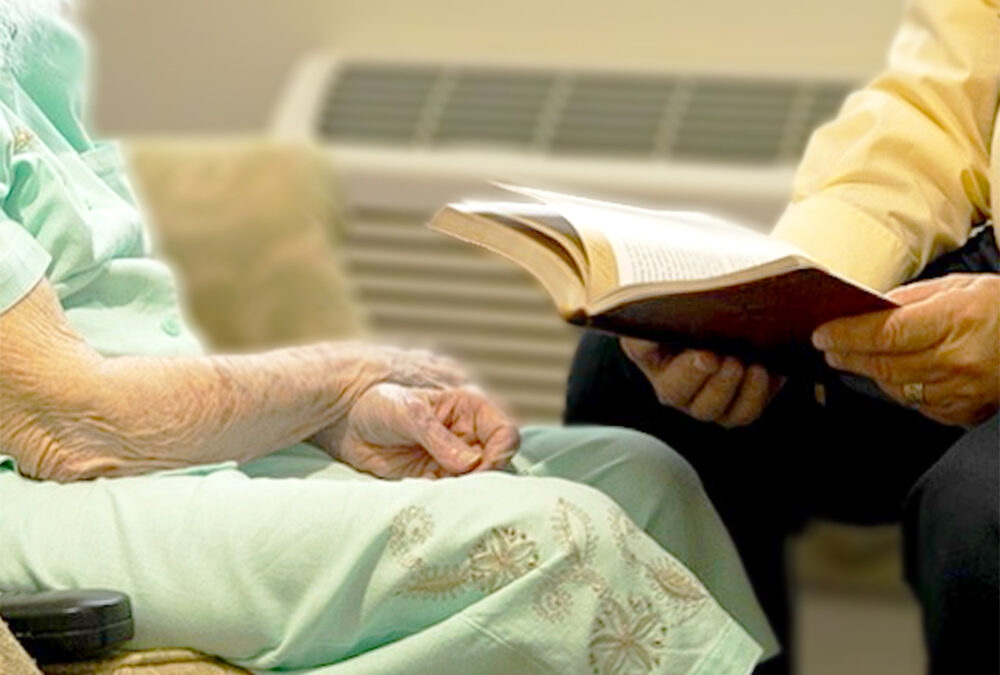
Memory care within assisted living is a different environment for people with substantial dementia. Doors are secured, routines are structured, and activities are streamlined. The very best memory care units feel calm, not locked, with personnel who know how to guide instead of scold. If roaming or exit-seeking is a real danger, memory care may be safer than including more home care hours.
Cost, payment, and the math that alters the answer
Costs differ by region and by the strength of support. For private-pay home care through a company, households typically see rates in the series of 25 to 40 dollars per hour in numerous parts of the United States, sometimes greater in significant metros. Independent caregivers might charge less, state 20 to 30 dollars per hour, however there are added duties and threats. If a person requires 8 hours a day, 7 days a week, agency care could reach 5,600 to 9,600 dollars each month. Day-and-night care multiplies quickly. Live-in arrangements can minimize per hour rates, but not everyone or home is a fit for live-in care.
Assisted living neighborhoods are typically priced as a regular monthly lease plus a care level charge. Rent for a studio can range widely, often 3,000 to 6,000 dollars per month depending on location. Care level fees include 500 to 2,000 dollars or more, connected to the number of assists daily the individual needs. Memory care typically costs more than basic assisted living. As care requirements rise, assisted living typically ends up being more cost-stable than stacking hours of home care. The crossover point is different in each market, once you approach 10 to 12 hours of in-home care daily, assisted living tends to be less expensive.
Funding sources matter. Medicare does not pay for long-lasting custodial care, whether at home or in assisted living. It may pay for short-term home health after a hospitalization when skilled services are needed. Long-lasting care insurance coverage, if you have it, may compensate for either in-home care or assisted living, assuming the policy is triggered by needing assist with a particular variety of activities of daily living or by cognitive disability. Medicaid, depending on the state, can money home and community-based services or cover assisted living in specific programs. Veterans and surviving partners may qualify for Aid and Participation benefits to offset expenses. Households typically mix private pay, insurance, and advantages to stretch the budget.
Safety, autonomy, and dignity under one roof
Safety without dignity does not hold up. Neither does self-reliance without a plan for danger. The art is finding the mix that allows the elder to feel like the author of their day while keeping hazards in check. In home care, we achieve that through scheduling jobs around the individual's natural rhythm, not the caretaker's convenience. A night owl ought to not be forced into 7 a.m. showers just because the aide's next client starts at 8. In assisted living, autonomy appears like selecting the table, decreasing bingo without guilt, and having a door that closes.
The environment matters. Homes with stairs, narrow restrooms, and cluttered hallways can be adapted with grab bars, shower benches, raised toilet seats, lever handles, and enhanced lighting. A one-story layout is easier. If the home can not be made safe without remodelling the household can not afford, assisted living may be the method to develop a safer baseline.
I as soon as worked with a retired instructor who liked her increased garden. Her goal was basic, to keep clipping roses every early morning. We developed a home care schedule around that ritual, with the caregiver getting here after she finished watering, not in the past. When she later relocated to assisted living due to nighttime wandering, we moved her roses to pots on a sunny balcony and asked staff to include "morning watering" to her care plan. The routine traveled with her.
Medical complexity and what each setting can truly handle
Home care is strongest for predictable routines and steady conditions. If somebody requires assist with bathing, meals, and medication tips, in-home care is ideal. Some companies can handle more intricate care like catheter modifications or injury care through licensed nurses, but those services are normally time-limited and intermittent. If your loved one needs injections at particular times, oxygen management, or regular monitoring for heart failure, you require to confirm that the home care service can offer prompt, proficient visits and collaborate with the physician.
Assisted living is not an alternative to a nursing home. A lot of assisted living neighborhoods can manage medication administration, blood sugar checks, oxygen, and mobility support. They are not geared up for locals who require two-person transfers at all times, consistent competent nursing, or everyday complex wound care. When requires exceed these, a competent nursing center might be suitable. The best setting depends upon matching the actual tasks and threats, not the label.
The social piece that frequently decides the tie
Loneliness is not a soft issue, it speeds up decline. I have actually seen cognition support when a person has a factor to dress and head to the dining-room. On the other hand, I have actually seen someone eat better at home with a trusted caregiver sitting at the kitchen area table than in a bustling dining hall that felt frustrating. Social needs vary. Introverts often do finest with one-to-one interaction and familiar surroundings. Extroverts might prosper in assisted living where the calendar is full of programs and next-door neighbors are close.
Be sensible about how typically family and friends will visit. If the strategy counts on a daughter stopping by after work every day, confirm that this is possible for 6 months, then reassess. Care plans that depend on heroics eventually break down. A sustainable plan is kinder, even if it looks less romantic.
When dementia belongs to the picture
Mild cognitive disability can be supported at home with routines, visual cues, and a caregiver who carefully triggers without taking control of. As dementia progresses, threats rise. Wandering, leaving the range on, missing medications, and misinterpreting shadows as dangers are common. If behavioral symptoms like sundowning or agitation escalate, one-to-one assistance at home might be the gentlest technique, but it quickly ends up being expensive if night coverage is required.
Memory care within assisted living brings structure. Predictable schedules, secured doors, and staff trained in redirection minimize hazardous episodes. The best programs individualize activities around past functions, like arranging, gardening, or music. Families typically resist memory care due to the fact that it seems like a step down. In a lot of cases, it increases self-respect by lowering crisis. The correct time to move is before injuries or authorities calls, not after.
Building a practical decision matrix without spreadsheets
Before touring centers or calling companies, map the day. Morning to night, what assistance is required, the length of time does each task take, and what goes wrong without support? Consist of individual care, meals, medications, transport, house cleaning, and guidance. Keep in mind mood patterns. Is the individual distressed in late afternoon? Do they nap after lunch? Does discomfort disrupt sleep?
Next, weigh three factors: seriousness, budget plan, and stability of requirements. Urgency implies healthcare facility discharges, falls, or caretaker exhaustion that can not wait. Spending plan sets guardrails that protect the family's monetary health. Stability describes whether requirements are most likely to increase within six to twelve months. If you understand requirements will increase, planning a move now, while the person can still adapt, might prevent a distressing move later.
The mixed model most families really use
Care is seldom a pure option between home care or assisted living. Blending prevails. An elder starts with in-home care a couple of early mornings a week and later on includes adult day services 2 days for social time and caregiver respite. When they transfer to assisted living, they might still employ a personal senior caretaker for bathing or for companionship during a rough change duration. Hospice often layers on top, including nurse check outs and aides for comfort care. The blended design recognizes that requires modification which the individual is not a category.
How to interview and test companies without getting swept along
Facilities and companies sell options, and some offer them well. Your job is to slow the pace, validate, and test. Start with brief windows of care at home to see how your loved one responds to a brand-new face. Ask agencies how they match caretakers, what happens if a caretaker is ill, and how they deal with after-hours calls. At assisted living neighborhoods, visit unannounced at different times of day. Watch a meal service. Count the number of personnel are in the dining-room. Ask locals, not simply the marketing director, what they like and what they would change.
Here is a compact contrast to anchor the discussion:
- Home care strengths: customized routines, familiar environment, flexible hours, one-to-one attention, fewer moves. Home care limits: protection gaps if staffing fails, cumulative expense at high hours, home security restraints, family coordination load. Assisted living strengths: 24/7 personnel schedule, structured meals and medications, social programs, maintenance-free environment. Assisted living limits: modification to communal living, variable staff-to-resident ratios, additional fees for higher care levels, less control over daily timing.
Creating a personalized care strategy that grows with the person
A good strategy is composed, specific, and editable. It define the objectives that matter most to the elder, not simply the jobs. If the priority is staying in your home with the pet, then the plan consists of contingency protection for storms, backup power for oxygen if required, and a schedule that prevents caretaker burnout. If the concern is consistent social contact, then the strategy includes transport or an environment where neighbors are actions away.
The strategy ought to cover these elements:
- Daily jobs with time windows: bathing preferences, grooming routines, medications with specific times, meal options, and movement support. Safety adjustments: equipment installed, emergency situation contacts, fall prevention steps, and how to deal with a missed check-in. Communication: who receives updates, how frequently, and through what channel. Agencies typically have apps where family can review notes. Health oversight: medical care and professional consultations, pharmacy coordination, and warning signs that activate a nurse visit. Review cycle: a set date to reassess requirements and costs, typically every one to three months.
Write it as a living file. Tape a succinct variation inside a cabinet door or keep it in a shared online folder. Modify as realities change.

Stories from the middle ground
A couple in their late seventies took care of each other with pride. He had diabetes and vision loss. She had arthritis that made early mornings slow. They attempted assisted living for a month and felt lost in the pace of it. They moved back home and utilized in-home care 4 mornings a week for individual care and meal preparation. Their daughter dealt with pharmacy pickups and expenses. It worked for two years until night falls and a hospitalization reset everything. They moved to assisted living then, with a personal caregiver for the very first 2 weeks to reduce the shift. The bridge mattered more than the destination.
Another household delayed a memory care move too long. Their father, a previous engineer, wandered in the evening despite door alarms. The child slept with one eye open and still missed the hour when Dad headed out to "examine the valves." Authorities brought him home twice. After the relocate to memory care, agitation dropped, and he started attending a little woodworking circle where personnel monitored sanding jobs. The household went to typically and stopped living in crisis mode. They later said they wished they had actually moved when the wandering began.
The quiet expenses caretakers pay and how to avoid burnout
Family caregivers hold the system together. The costs appear as missed out on work, pain in the back from lifting, and frayed persistence. If you rely on household for heavy jobs, learn safe transfer techniques from a physical therapist. Purchase a gait belt, a shower chair that fits the tub, and shoes with non-skid soles. Set a border around sleep. If nights are not restful, fix it with night coverage or a modification of setting. No care strategy survives chronic sleep deprivation.
Respite is not a high-end. Adult day programs provide 6 to 8 hours of structured time for the elder and a full day of relief for the caregiver. Numerous assisted living communities offer short-term respite stays, which are useful test drives. Home care companies can arrange a routine afternoon off weekly. Put respite on the calendar before it is needed. If you wait up until exhaustion, it may be too late to prevent a crisis.
Legal and financial essentials that reduce future stress
Certain files make care simpler. A long lasting power of lawyer for finances and a health care proxy guarantee somebody can act when decisions surpass the elder's capability. A HIPAA release enables companies to share details. If the home becomes part of the strategy, understand who is on the deed and how that engages with Medicaid eligibility rules in your state. If long-lasting care insurance exists, check out the policy now. Discover the removal duration, day-to-day maximum, and what counts as a covered service so you can structure care accordingly.
Track expenses from day one. Keep invoices for in-home care, assisted living fees, and medical products. These records assist with insurance coverage claims and possible tax deductions for qualified long-lasting care costs. Families who treat care like a small company with records and evaluations make better decisions and prevent surprises.
When to change course, and how to do it gracefully
Care strategies stop working in phases, not simultaneously. The warning lights are near misses: a caretaker who calls out two times in a week, new bruises, medications found under the sofa cushion, meals avoided since the dining room feels overwhelming, a partner who confesses they nap in the automobile because it is the only quiet location. Use these signals to adjust early.
If moving from home care to assisted living, prepare slowly. Tour with your loved one if possible. Bring familiar products, not just images but the quilt, the lamp, the teapot. Introduce a couple of key employee before move-in. Put the preliminary schedule in writing and hand it to the nurse and the activities director. If moving the other instructions, from assisted living back home, schedule services before the relocation. Validate delivery dates for equipment, established medication packs, and present the caretaker while still at the center so the first day home is not a string of strangers.
A simple, two-part choice check
When you feel stuck, ask two concerns and answer truthfully in writing.
- Can we safely cover the next thirty days in your home without anyone losing sleep or income they can not afford to lose? If requires increase by one notch, do we have a clear prepare for the next action and the spending plan to support it?
If the response to either is no, expand the options to include assisted living or memory care, or increase the layer of in-home support with a more resilient schedule. This is not about what you want in the abstract, it has to do with what you can sustain with dignity and safety.
Final ideas from the field
The best strategies begin with the individual's story. A retired baker may need mornings free for quiet and calm, not a parade of helpers. A previous nurse might bristle if someone takes over medications without explaining the why. Respecting identity is not a nicety; it enhances cooperation and decreases behavioral resistance. Whether you pick in-home care, senior home care through a company, assisted living, or a blend, keep the plan personal and fluid.
Most families revisit this decision more than when. That is typical. Start with the tiniest change that solves the most significant issue. Build from there. Write it down, inspect it monthly, and change before cracks become chasms. With that approach, home remains home for as long as it securely can, and when a move makes good sense, it is an action on a path you drew together, not a push from a crisis you didn't see coming.
FootPrints Home Care is a Home Care Agency
FootPrints Home Care provides In-Home Care Services
FootPrints Home Care serves Seniors and Adults Requiring Assistance
FootPrints Home Care offers Companionship Care
FootPrints Home Care offers Personal Care Support
FootPrints Home Care provides In-Home Alzheimer’s and Dementia Care
FootPrints Home Care focuses on Maintaining Client Independence at Home
FootPrints Home Care employs Professional Caregivers
FootPrints Home Care operates in Albuquerque, NM
FootPrints Home Care prioritizes Customized Care Plans for Each Client
FootPrints Home Care provides 24-Hour In-Home Support
FootPrints Home Care assists with Activities of Daily Living (ADLs)
FootPrints Home Care supports Medication Reminders and Monitoring
FootPrints Home Care delivers Respite Care for Family Caregivers
FootPrints Home Care ensures Safety and Comfort Within the Home
FootPrints Home Care coordinates with Family Members and Healthcare Providers
FootPrints Home Care offers Housekeeping and Homemaker Services
FootPrints Home Care specializes in Non-Medical Care for Aging Adults
FootPrints Home Care maintains Flexible Scheduling and Care Plan Options
FootPrints Home Care is guided by Faith-Based Principles of Compassion and Service
FootPrints Home Care has a phone number of (505) 828-3918
FootPrints Home Care has an address of 4811 Hardware Dr NE d1, Albuquerque, NM 87109
FootPrints Home Care has a website https://footprintshomecare.com/
FootPrints Home Care has Google Maps listing https://maps.app.goo.gl/QobiEduAt9WFiA4e6
FootPrints Home Care has Facebook page https://www.facebook.com/FootPrintsHomeCare/
FootPrints Home Care has Instagram https://www.instagram.com/footprintshomecare/
FootPrints Home Care has LinkedIn https://www.linkedin.com/company/footprints-home-care
FootPrints Home Care won Top Work Places 2023-2024
FootPrints Home Care earned Best of Home Care 2025
FootPrints Home Care won Best Places to Work 2019
People Also Ask about FootPrints Home Care
What services does FootPrints Home Care provide?
FootPrints Home Care offers non-medical, in-home support for seniors and adults who wish to remain independent at home. Services include companionship, personal care, mobility assistance, housekeeping, meal preparation, respite care, dementia care, and help with activities of daily living (ADLs). Care plans are personalized to match each client’s needs, preferences, and daily routines.
How does FootPrints Home Care create personalized care plans?
Each care plan begins with a free in-home assessment, where FootPrints Home Care evaluates the client’s physical needs, home environment, routines, and family goals. From there, a customized plan is created covering daily tasks, safety considerations, caregiver scheduling, and long-term wellness needs. Plans are reviewed regularly and adjusted as care needs change.
Are your caregivers trained and background-checked?
Yes. All FootPrints Home Care caregivers undergo extensive background checks, reference verification, and professional screening before being hired. Caregivers are trained in senior support, dementia care techniques, communication, safety practices, and hands-on care. Ongoing training ensures that clients receive safe, compassionate, and professional support.
Can FootPrints Home Care provide care for clients with Alzheimer’s or dementia?
Absolutely. FootPrints Home Care offers specialized Alzheimer’s and dementia care designed to support cognitive changes, reduce anxiety, maintain routines, and create a safe home environment. Caregivers are trained in memory-care best practices, redirection techniques, communication strategies, and behavior support.
What areas does FootPrints Home Care serve?
FootPrints Home Care proudly serves Albuquerque New Mexico and surrounding communities, offering dependable, local in-home care to seniors and adults in need of extra daily support. If you’re unsure whether your home is within the service area, FootPrints Home Care can confirm coverage and help arrange the right care solution.
Where is FootPrints Home Care located?
FootPrints Home Care is conveniently located at 4811 Hardware Dr NE d1, Albuquerque, NM 87109. You can easily find directions on Google Maps or call at (505) 828-3918 24-hoursa day, Monday through Sunday
How can I contact FootPrints Home Care?
You can contact FootPrints Home Care by phone at: (505) 828-3918, visit their website at https://footprintshomecare.com, or connect on social media via Facebook, Instagram & LinkedIn
The Albuquerque Museum offers a calm, engaging environment where seniors can enjoy art and history — a great cultural outing for families using in-home care services.