Business Name: FootPrints Home Care
Address: 4811 Hardware Dr NE d1, Albuquerque, NM 87109
Phone: (505) 828-3918
FootPrints Home Care
FootPrints Home Care offers in-home senior care including assistance with activities of daily living, meal preparation and light housekeeping, companion care and more. We offer a no-charge in-home assessment to design care for the client to age in place. FootPrints offers senior home care in the greater Albuquerque region as well as the Santa Fe/Los Alamos area.
4811 Hardware Dr NE d1, Albuquerque, NM 87109
Business Hours
Monday thru Sunday: 24 Hours
Facebook: https://www.facebook.com/FootPrintsHomeCare/
Instagram: https://www.instagram.com/footprintshomecare/
LinkedIn: https://www.linkedin.com/company/footprints-home-care
Keeping an aging parent or partner at home is rarely a simple yes or no choice. It grows out of a mix of love, obligation, finances, medical truths, and the personality of the person you are taking care of. I have sat at lots of cooking area tables with households who were attempting to answer the exact same concern: how do we keep Mom safe and supported without removing away her independence or sense of self.
Home care, when done attentively, can be an effective middle ground between doing whatever yourself and moving a loved one into a center. It can extend lifestyle, decrease hospitalizations, and offer households more great days together. It can likewise be chaotic and exhausting if the home itself, the regimens, and the expectations are not set up with intention.
This short article strolls through what I have seen work in genuine homes, from simple safety repairs to the psychological realities of caring for an older adult in the place they know best.
What "home care" really means
People use numerous terms that overlap: home care, in-home care, at home senior care, senior home care, home take care of parents. Underneath the lingo, you are truly speaking about support that concerns where the older adult lives.
The specifics vary. Some individuals require just a couple of hours of aid with laundry and grocery shopping every week. Others need 24/7 guidance for dementia or sophisticated disease. Home care might be a daughter coming by daily after work, an expert caregiver from an Albuquerque home care agency, or some combination of household, next-door neighbors, and paid support.
Before you attempt to create the best setup, get clear on what problem you are attempting to solve. Is your father falling, skipping medications, getting lost while driving, or simply lonesome and under-stimulated. Each circumstance points to a various type of in-home senior care.
A useful starting point is to sketch a common week. Where does your loved one struggle. Where do you feel anxious about their safety. Where are you burning out. That sketch becomes your roadmap.
Understanding the real level of need
Families typically overestimate what an older grownup can still handle, specifically if the individual is proud, personal, or really articulate. The opposite takes place too: adult kids who live out of town might presume their parent is defenseless based upon one scary incident.
Professionals use terms like "activities of daily living" (ADLs) and "instrumental activities of daily living" (IADLs). You do not require the lingo, however it assists to think along those lines:
First, the basics of self care, such as bathing, dressing, utilizing the toilet, getting in and out of bed, and feeding oneself. Second, the more intricate tasks like handling medications, shopping, cooking, cleaning, transport, paying expenses, and utilizing a phone.
Watch for patterns, not one-off bad days. A single fall in the shower might be a fluke. Falling twice in a month, or quietly giving up showers because it "takes too much energy," tells you the present setup is not safe.
If there is cognitive change, like dementia or moderate cognitive impairment, construct that into your strategies early. Someone who can still talk gracefully about the news at 2 p.m. May be roaming in the evening or blending medication dosages. In those circumstances, supervision and regimens become as crucial as physical safety measures.
When you are not sure, a home safety and care evaluation by a nurse, physiotherapist, or a trusted senior home care agency can be invaluable. Numerous companies that provide Albuquerque home care, for instance, will send somebody to assess the home and your loved one's practical status at low or no cost, due to the fact that it helps them design an appropriate care plan.
Making the home more secure without turning it into a hospital
You desire safety, but you likewise want a home that still feels like your mother's home, not a small center. The best elder care environments keep familiar objects and routines while silently reducing risk.
Think about three major risks: falls, fires, and medication errors.
Falls are the primary perpetrator I see. Rugs that snuggle at the corners, dim corridors, small actions at the front entrance, a favorite however shaky armchair, animals underfoot. None of these look unsafe until a hip fracture lands somebody in rehab.
You can generally decrease fall danger with small, targeted adjustments instead of a total remodel. Great lighting, particularly from bed to restroom. Durable grab bars in the shower and near the toilet, not suction-cup versions that pave the way at the worst minute. Non-slip matting inside the tub and on the bathroom floor. A shower chair or bench if balance or stamina is poor. Clear pathways without mess or cables, specifically near the bed, reclining affordable elder care chair, and kitchen.
If your loved one utilizes a walker or wheelchair, walk through the house using that gadget. Doorway limits that are barely noticeable on foot can be severe tripping risks. Rug that are emotional might require to be relocated to a room they no longer utilize every day.
Fire and cooking safety ended up being concerns when memory, judgment, or mobility change. If your parent has actually left pots burning on the range, you might think about induction cooktops, automated shut-off devices for ranges, or shifting more meals to microwave and sluggish cooker. Smoke detectors require to work, and somebody still needs to inspect them regularly. In some homes, disabling the gas oven and relocating to countertop devices is the right trade-off.
Medication mistakes are easy to miss out on until something goes very wrong. I have seen older grownups take double doses due to the fact that they forgot they already took a tablet, or stop a crucial heart medication due to the fact that filling up the prescription felt too complicated.
Simple tools help: a weekly pill organizer box, blister-packed medications from a drug store, or electronic dispensers that unlock just at particular times with audible prompts. For some families, a caretaker or nurse putting together the pillbox as soon as a week, then a quick day-to-day call or visit to confirm doses, combines structure with respect for autonomy.
Throughout, welcome the older grownup into the conversation as much as possible. Modifications go much better when they seem like a partner, not a project.
Room by space: practical environmental tweaks
Each space holds its own set of risks and opportunities. When I stroll through a home with a household, I tend to concentrate on 4 areas.
The entrance and corridor set the tone. Think about how many actions there are, and whether handrails are on both sides and strong. If a ramp is required, have it constructed to code by somebody who understands wheelchair and walker safety. A small table or shelf best inside the door for mail and secrets can likewise lower bending and browsing that increase fall risk.
The bedroom must allow simple transfers in and out of bed. The mattress height matters: too low and it is difficult to stand, too high and feet dangle, which is unstable. A simple bed rail can assist, however prevent full-length rails that feel like restraints, specifically with dementia. Keep the course to the bathroom completely clear and well lit, with a nightlight or movement sensor light. Some families include a commode near the bed if night-time seriousness is severe.
Bathrooms deserve extra attention. This is often where individuals fall. Raised toilet seats, sturdy grab bars anchored into studs, hand-held showerheads, and reachable shelves all decrease threat. Change glass shower doors that swing directly with a drape if a walker or chair requires to fit. Examine water temperature to prevent scalds, specifically in people with diabetes or reduced sensation.
In the kitchen area, think of reach and intricacy. Place the most pre-owned meals, pans, and appliances in between shoulder and hip height. Heavy items belong lower, not in overhead cabinets. Label shelves if memory is a concern. Some families get rid of or conceal sharp knives, matches, or hardly ever used appliances that posture risk. If your loved one takes pleasure in cooking however no longer securely manages the stove, think about monitored cooking sessions with home care assistants, or restrict them to simpler jobs like mixing, slicing with safe tools, or preparing cold meals.
These adjustments are most efficient when layered with thoughtful regimens. A safe restroom is necessary, however reminding Dad not to carry his walker while trying to move a clothes hamper is equally important.
Emotional safety and dignity: the undetectable half of the work
Physical safety is the apparent part of elder care. The psychological environment is quieter however just as crucial. I have entered homes where whatever looked ideal, yet the older adult felt caught, infantilized, or ignored.
Most older grownups fear losing control more than they fear falling. They stress that accepting a caregiver, or letting a child handle their medications, is the first step toward being sent out to a center. Pressing aid too hard can activate resistance, anger, or subtle sabotage.
It helps to frame in-home care as a tool that supports their priorities. For instance, "This way you can keep living here and keep your garden," or "If someone comes twice a week to help with bathing and cleaning, I will stop irritating you about it." When individuals comprehend that support is what permits them to remain at home, they tend to accept it more readily.
Small options matter. Let your mother decide what time to shower and what to use, even if it takes extra patience. Ask your father how he wants the furnishings set up around his brand-new reclining chair, or which caretaker he feels most comfy with. When hiring senior home care, include your loved one in interviews and trial shifts. They will see attitudes you may miss.
The tone you set as a family matters too. Remedying an older adult harshly in front of a caregiver, complaining about the work right in front of them, or speaking about them as if they are not in the space, slowly wears down self-respect. Treat them as the main client.
I frequently motivate families to integrate in minutes that have to do with pleasure, not only care jobs. Listening to old records after supper, a short car ride through their preferred community, or a standing call with an old buddy on Sundays can make the difference between a life that seems like waiting and a life that still has texture.
Balancing household caregiving with professional support
Many households assume they must choose between doing everything themselves or outsourcing elder care totally. In practice, the most sustainable setups combine family involvement with professional at home care.
Family caregiving brings connection, history, and trust. You understand how your mother takes her coffee which your father will just shower after viewing the morning news. You can also promote highly for them in medical settings.
The disadvantage is burnout. I have actually seen strong, capable adult kids silently wreck their own health by providing 24/7 supervision, avoiding trips, or working nights after looking after a parent throughout the day. Animosity creeps in, even in the most devoted families, if assistance and breaks are not developed into the plan.
Professional caregivers from a reputable home care company can fill gaps. They can cover mornings when you are at work, supply overnight guidance, or handle physically demanding tasks that are difficult on your back. In a city like Albuquerque, home care firms often provide highly versatile schedules: anything from a few hours a week up to live-in care. Some likewise supply customized dementia care, hospice support, or post-surgical assistance.
The secret is clearness. Decide in writing who is responsible for what. For instance, the firm caretaker manages bathing, light housekeeping, and meal prep on weekdays, while household covers weekends, finances, and medical consultations. An easy shared calendar, even a paper one on the fridge, keeps everyone aligned.
Cost is the other difficult reality. Paid at home senior care is not inexpensive, particularly at higher hours. Long-lasting care insurance, veterans' benefits, state programs, and some Medicaid waivers can offset expenses for eligible individuals, however the guidelines are complex. Before you make big dedications, talk with a social employee, elder law lawyer, or care manager who understands funding choices in your region.
When to bring in more aid: warnings to watch
Families often postpone getting aid because they worry it sends out the incorrect message or since each brand-new need creeps up slowly. A few patterns suggest it is time to step up support or reconsider the care plan.
First, duplicated falls or near falls, particularly when your loved one insists on doing jobs that plainly exceed their strength. Second, considerable weight reduction, filthy clothing, or spoiled food in the refrigerator that indicate difficulty with meals and self care. Third, wandering, leaving the stove on, or getting lost while driving. Fourth, unpaid bills piling up, late notices, or confusion about cash where there was none before. Fifth, caretaker fatigue: you discover yourself snapping, forgetting your own visits, or dreading each day.
Any single event can be addressed with tweaks. When numerous of these accumulate, it is time for a fuller reassessment. That might mean increasing home care hours, adding night-time supervision, involving respite services so the primary caregiver can rest, or exploring assisted living or memory care options.
A frank discussion with the main doctor helps. Ask not simply, "Is she safe in the house," however "Under what conditions could she remain in your home, and what would require to change."
A basic home safety and care planning checklist
The procedure of establishing or updating senior home care can feel frustrating. Families often feel like they are missing something important. A short list, updated every few months, keeps you grounded.
- Walk through the home and recognize journey risks, poor lighting, and hard-to-reach products. Address a minimum of one safety issue each week instead of trying to fix whatever at once. Review medications: who prescribes them, who fills them, and how doses are organized daily. Verify that every drug on the list still has a clear purpose. Map out a typical 24 hours. Note who is with your loved one, when they are alone, and when their energy, state of mind, or confusion are worst. Align caregiving assistance with those high-risk times. List every person and service involved in care, from neighbors to physiotherapists. Make certain contact information and functions are plainly written somewhere everybody can access. Schedule respite. Even if it is simply a half day every 2 weeks with an in-home care provider or a trusted pal, put it on the calendar before you feel desperate.
This kind of purposeful preparation does not eliminate all uncertainty, but it keeps you ahead of avoidable crises.
Working proficiently with an in-home care agency
If you choose to involve a professional firm, how you established the relationship matters as much as which agency you choose.
Start with a practical task description. Unclear demands like "aid with whatever" set everyone up for disappointment. Rather, specify that the caregiver will aid with bathing twice a week, prepare lunch and a light supper, prompt medications (if enabled by state guidelines), do light housekeeping in the kitchen and bathroom, and provide guidance on brief walks outside.
During the first weeks, anticipate a discovering curve. Your parent is getting utilized to a beginner in their area. The caretaker is learning home routines and preferences. You are figuring out what details to leave for them. Some friction is typical. What must not be neglected are deeper red flags like rough handling, rude talk, constant lateness, or poor hygiene. Good companies will take those concerns seriously.
Communication tools help. An easy note pad or binder that remains in the home, where caregivers record what happened during each shift, gives family members and other professionals a shared record. If your agency utilizes an app, find out enough of it to check out updates and message the care team.
When possible, attempt to keep the same caregivers on the schedule. Continuity matters deeply for older adults, particularly those with dementia or stress and anxiety. A revolving door of complete strangers increases confusion and distrust.
Finally, remember that caretakers are human. A word of appreciation, a clear description of your loved one's peculiarities, and reasonable expectations go a long method towards constructing a strong partnership.
Caring for the caretaker: you
Family members often see themselves as the last line of defense and feel guilty for wanting a break. Yet every skilled elder care expert I understand will tell you the very same thing: burned-out caretakers make more errors and have less persistence, which harms everybody involved.
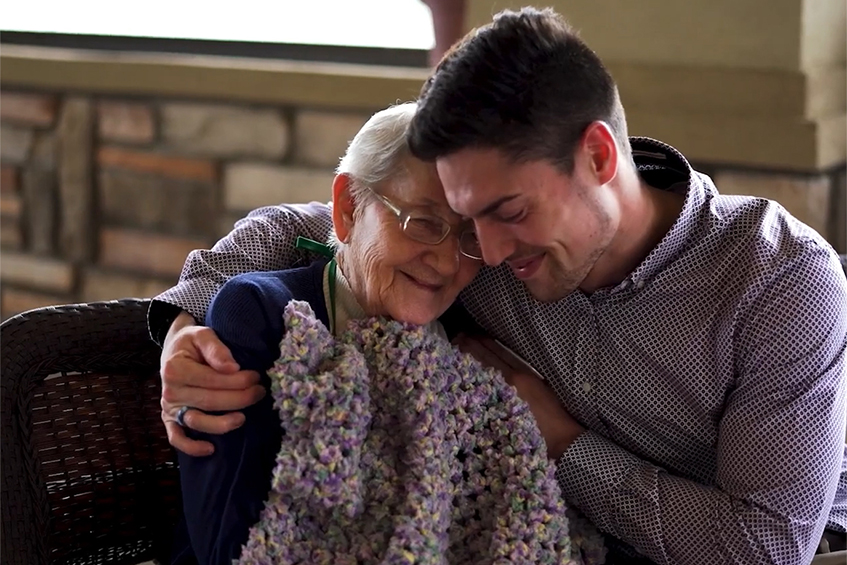
Watch your own warning signs. If you are getting up at 3 a.m. Worrying about whether Mom took her tablets, crying in the cars and truck after leaving your house, or feeling constantly resentful of brother or sisters who are "less included," those are signals that your own reserves are low.
Support can take lots of kinds. Some caregivers participate in regional support groups, which can be especially grounding in medium-sized cities where services like Albuquerque home care prevail but family networks are scattered. Others depend on faith communities, online groups, or a therapist who understands persistent caregiving stress.
Respite care, adult day programs, or short-term stays in assisted living facilities can give you actual time off without deserting your responsibilities. In some elder care albuquerque nm areas, moneying programs will even pay family caregivers for a set variety of hours, which helps offset the monetary hit of minimizing work hours.
Most essential, attempt to protect a minimum of one part of your life that is about you: a weekly yoga class, a monthly supper with buddies, a gardening task. You will be a steadier existence for your aging loved one if you are not running on fumes.
Accepting that plans will change
Elder care in your home is not a one-time decision. It is a series of adjustments as health, movement, and cognition progress. A setup that works magnificently this year may be unsafe next year. That is not a failure of love or preparation, just the nature of aging and illness.
Families who cope finest are those who revisit their care plan frequently. Every few months, ask yourselves and your loved one: What is working. What feels hard. What has changed medically or mentally. What are we avoiding talking about.
Sometimes the response is easy, like including two additional afternoons of in-home care. Sometimes the truthful answer is that even with maximum home support, your loved one needs the 24-hour staffing and medical oversight of assisted living, memory care, or a knowledgeable nursing facility. I have actually seen households who swore they would "never ever put Mom in a home" later say that moving her to an excellent facility, after years of diligent home care, brought relief and much better quality of life for everyone.
The objective is not to hold on to a single design at all expenses. The objective is to keep your aging loved one as safe, comfy, and connected as realistically possible, while also protecting the health and integrity of the household offering the care.
Home, for many older adults, is not simply a structure. It is a sense of familiarity, autonomy, and identity. Thoughtful home care, whether household based, professionally supported, or both, can safeguard that sense of home longer and more with dignity. It requires truthful assessment, useful modifications, and a desire to request for assistance before you remain in crisis.
FootPrints Home Care is a Home Care Agency
FootPrints Home Care provides In-Home Care Services
FootPrints Home Care serves Seniors and Adults Requiring Assistance
FootPrints Home Care offers Companionship Care
FootPrints Home Care offers Personal Care Support
FootPrints Home Care provides In-Home Alzheimer’s and Dementia Care
FootPrints Home Care focuses on Maintaining Client Independence at Home
FootPrints Home Care employs Professional Caregivers
FootPrints Home Care operates in Albuquerque, NM
FootPrints Home Care prioritizes Customized Care Plans for Each Client
FootPrints Home Care provides 24-Hour In-Home Support
FootPrints Home Care assists with Activities of Daily Living (ADLs)
FootPrints Home Care supports Medication Reminders and Monitoring
FootPrints Home Care delivers Respite Care for Family Caregivers
FootPrints Home Care ensures Safety and Comfort Within the Home
FootPrints Home Care coordinates with Family Members and Healthcare Providers
FootPrints Home Care offers Housekeeping and Homemaker Services
FootPrints Home Care specializes in Non-Medical Care for Aging Adults
FootPrints Home Care maintains Flexible Scheduling and Care Plan Options
FootPrints Home Care is guided by Faith-Based Principles of Compassion and Service
FootPrints Home Care has a phone number of (505) 828-3918
FootPrints Home Care has an address of 4811 Hardware Dr NE d1, Albuquerque, NM 87109
FootPrints Home Care has a website https://footprintshomecare.com/
FootPrints Home Care has Google Maps listing https://maps.app.goo.gl/QobiEduAt9WFiA4e6
FootPrints Home Care has Facebook page https://www.facebook.com/FootPrintsHomeCare/
FootPrints Home Care has Instagram https://www.instagram.com/footprintshomecare/
FootPrints Home Care has LinkedIn https://www.linkedin.com/company/footprints-home-care
FootPrints Home Care won Top Work Places 2023-2024
FootPrints Home Care earned Best of Home Care 2025
FootPrints Home Care won Best Places to Work 2019
People Also Ask about FootPrints Home Care
What services does FootPrints Home Care provide?
FootPrints Home Care offers non-medical, in-home support for seniors and adults who wish to remain independent at home. Services include companionship, personal care, mobility assistance, housekeeping, meal preparation, respite care, dementia care, and help with activities of daily living (ADLs). Care plans are personalized to match each client’s needs, preferences, and daily routines.
How does FootPrints Home Care create personalized care plans?
Each care plan begins with a free in-home assessment, where FootPrints Home Care evaluates the client’s physical needs, home environment, routines, and family goals. From there, a customized plan is created covering daily tasks, safety considerations, caregiver scheduling, and long-term wellness needs. Plans are reviewed regularly and adjusted as care needs change.
Are your caregivers trained and background-checked?
Yes. All FootPrints Home Care caregivers undergo extensive background checks, reference verification, and professional screening before being hired. Caregivers are trained in senior support, dementia care techniques, communication, safety practices, and hands-on care. Ongoing training ensures that clients receive safe, compassionate, and professional support.
Can FootPrints Home Care provide care for clients with Alzheimer’s or dementia?
Absolutely. FootPrints Home Care offers specialized Alzheimer’s and dementia care designed to support cognitive changes, reduce anxiety, maintain routines, and create a safe home environment. Caregivers are trained in memory-care best practices, redirection techniques, communication strategies, and behavior support.
What areas does FootPrints Home Care serve?
FootPrints Home Care proudly serves Albuquerque New Mexico and surrounding communities, offering dependable, local in-home care to seniors and adults in need of extra daily support. If you’re unsure whether your home is within the service area, FootPrints Home Care can confirm coverage and help arrange the right care solution.
Where is FootPrints Home Care located?
FootPrints Home Care is conveniently located at 4811 Hardware Dr NE d1, Albuquerque, NM 87109. You can easily find directions on Google Maps or call at (505) 828-3918 24-hoursa day, Monday through Sunday
How can I contact FootPrints Home Care?
You can contact FootPrints Home Care by phone at: (505) 828-3918, visit their website at https://footprintshomecare.com, or connect on social media via Facebook, Instagram & LinkedIn
Antiquity Restaurant provides a warm, accessible dining experience — perfect for a comforting night out even while receiving in-home care or assisted support.